Fairfield Halls upholstery cleaning and care in Croydon: a practical local guide
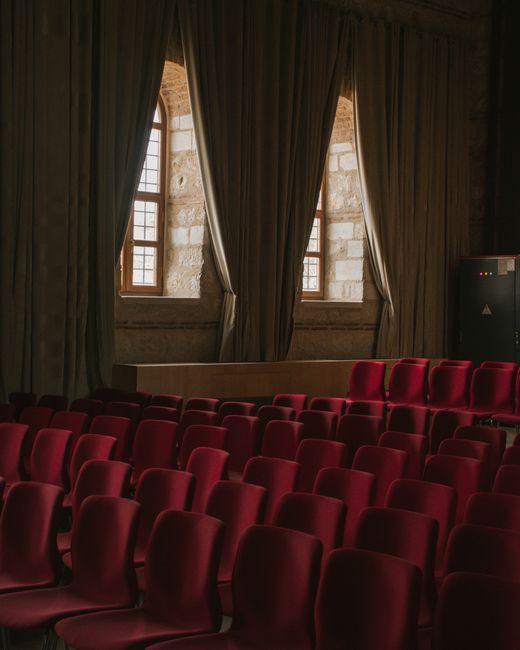
If you're looking into Fairfield Halls upholstery cleaning and care in Croydon, you're probably dealing with the real-life stuff: theatre seating that sees heavy use, fabric that traps dust, and the constant challenge of keeping everything looking smart without making a mountain out of the job. To be fair, upholstery in a busy venue takes more wear than most people realise. It's not just about appearance either. Clean seating helps with comfort, presentation, and the overall experience people have the moment they sit down.
This guide breaks down what upholstery cleaning and care actually involves, how the process works in a venue like Fairfield Halls, what good maintenance looks like, and how to avoid the mistakes that shorten fabric life. If you manage a venue, support a facilities team, or simply care about keeping communal seating in strong condition, you'll find practical advice here rather than vague generalities.
- Why Fairfield Halls upholstery cleaning and care in Croydon matters
- How the cleaning process works
- Key benefits and practical advantages
- Who needs this and when it makes sense
- Step-by-step guidance
- Expert tips for better results
- Common mistakes to avoid
- Tools, resources and recommendations
- Law, compliance, standards, or best practice
- Options, methods, or comparison table
- Case study or real-world example
- Practical checklist
- Conclusion
- Frequently asked questions
Why Fairfield Halls upholstery cleaning and care in Croydon Matters
Fairfield Halls is the kind of place where seats, soft furnishings, and high-touch fabric surfaces can't be treated as an afterthought. A single auditorium seat may be used by dozens of people in a week, sometimes more, and that adds up quickly. Dust settles into fibres. Oils from skin and hair build up. Spillages happen. Programmes get dropped, snacks get brushed off, and by the end of a busy run the upholstery can look tired even if it's structurally fine.
Good upholstery care matters because fabric is part of the venue's first impression. When seating looks clean and feels fresh, people notice, even if they don't say it out loud. The same goes for staff, performers, and anyone walking through the building at a glance. A well-maintained interior signals attention, professionalism, and respect for the space. That sounds simple, but it really does shape how a venue is experienced.
There's a practical side too. Dirt is abrasive. Left alone, it can wear down fibres and dull colours. Moisture from spills can leave marks or odours. And if a stain is treated badly, it can set deeper into the material than the original spill ever would have. That's the frustrating bit. One rushed wipe can create a longer-term problem.
For venues in Croydon, this also ties into routine building care. If you're already looking after carpets, curtains, and other soft furnishings, it makes sense to treat upholstery as part of the same maintenance plan. You can explore related services such as professional upholstery cleaning, sofa cleaning, and curtain cleaning as part of a broader soft-furnishing schedule.
Key point: upholstery care is not only about removing visible marks. It is about preserving the fabric, keeping public areas welcoming, and avoiding avoidable wear.
How Fairfield Halls upholstery cleaning and care in Croydon Works
In a public venue, upholstery cleaning works best when it is planned rather than reactive. The process usually starts with identifying the material type, the level of soiling, and any problem areas such as food spills, drink stains, sticky residue, or odours. That matters because not every fabric can take the same treatment. Velvet, wool blends, synthetic fibres, and leather-style surfaces all behave differently.
A proper clean usually follows a sequence. First comes inspection. Then dry soil removal, because loose dust and grit should be taken away before any moisture is introduced. After that, a suitable cleaning method is selected. For many fabric seats and soft furnishings, low-moisture extraction or targeted stain treatment is used. In some cases, very controlled steam or hot-water extraction may be appropriate, but only if the material and construction allow it.
What makes venue upholstery different from domestic upholstery is scale. You are often dealing with rows of seats, not one sofa. That changes everything. Access, drying time, product choice, and aftercare all need more thought. You don't want a half-dry seating bank before a performance, obviously. Timing really matters.
Professional cleaners also look at the surrounding environment. HVAC systems, footfall patterns, nearby refreshment areas, and cleaning access routes can all influence the outcome. A seat near a busy aisle or entrance will usually need a different approach from one tucked away in a quieter area. It's a bit like maintaining shoes in winter versus summer; the same item, different conditions.
If you want to understand the broader service context, carpet cleaning often goes hand in hand with upholstery care in public spaces, while steam carpet cleaning may be used where deeper fibre refreshment is needed alongside seating maintenance.
Key Benefits and Practical Advantages
Well-managed upholstery care gives you more than a nicer-looking room. The practical gains are easy to miss because they build quietly over time.
- Cleaner presentation: Fresh seating makes the whole space feel cared for.
- Longer fabric life: Removing grit and residue reduces premature wear.
- Better odour control: Regular treatment helps prevent stale smells from embedding in fibres.
- More comfortable use: Seats feel cleaner, which improves the audience or visitor experience.
- Reduced staining risk: Early intervention makes permanent marking less likely.
- Smarter maintenance planning: Routine cleaning is easier to budget for than emergency restoration.
There is also a softer benefit. A venue that feels looked after gives people confidence. They may not be thinking, "What a spotless seat," but they will feel the difference. You can almost sense it when you walk in. Cleaner fabrics, less dust in the air, fewer obvious stains. It creates calm.
In commercial settings, it can also support wider operational goals. For example, venue managers often prefer a planned maintenance cycle because it reduces disruption and helps teams coordinate cleaning with performance schedules, hires, or off-peak hours. That's just sensible management.
For heavier-use spaces, it can be helpful to pair upholstery work with other specialist services like stain removal and odour removal when applicable to soft furnishings in mixed-use environments. Not every venue needs those every time, but they're useful tools when specific issues crop up.
Who This Is For and When It Makes Sense
This topic is most relevant for venue managers, facilities teams, cleaning contractors, events coordinators, and property professionals responsible for public-facing soft furnishings. If you oversee seating that sees continuous traffic, the question is not really whether upholstery needs attention. It's when and how often.
It makes sense to schedule cleaning when you notice one or more of the following:
- visible staining on seats or armrests
- flattened or dulled fabric texture
- persistent musty or stale odours
- dust build-up in seams and edges
- complaints about the appearance or smell of seating
- an upcoming event, inspection, or season of heavier use
Sometimes the trigger is not dramatic. A venue might simply be preparing for a busy run and wants everything to look as polished as possible. In that situation, preventative cleaning is usually the better move. Waiting until the seats look obviously grubby tends to make the work harder and the results less even. Truth be told, fabrics rarely improve on their own.
It also makes sense after incidents like a drink spill, a food drop, or water ingress from a leak or damp patch. The sooner the fabric is assessed, the better. Quick action can stop a small issue from becoming a larger restoration job.
And if your building maintenance plan also includes carpets and other soft surfaces, it may be worth aligning upholstery work with commercial carpet cleaning to keep the whole venue on the same cycle.
Step-by-Step Guidance
Here's a practical way to think about upholstery cleaning and care for a venue like Fairfield Halls. Nothing fancy. Just a sensible workflow that helps avoid mistakes.
- Inspect the upholstery carefully. Look for stains, wear spots, loose seams, and colour changes. Check the manufacturer's care instructions if they are available.
- Identify the fabric type. This decides the cleaning method. A synthetic blend may tolerate a different process than a delicate natural fibre.
- Vacuum thoroughly. Use a suitable upholstery tool to remove dust, crumbs, and grit from the surface, seams, and around buttons or piping.
- Treat stains individually. Spot treatment should match the stain type where possible. Grease, drink spills, and ink behave differently.
- Choose the right cleaning method. Depending on the fabric, this might mean low-moisture cleaning, extraction, or targeted manual treatment.
- Control moisture and drying. Public seating needs careful drying so it can return to use safely and comfortably.
- Final check and post-clean care. Review the finish, note any persistent marks, and set a follow-up maintenance date if needed.
If the job is larger than a routine refresh, a specialist team will often segment the area into zones. That keeps the process orderly and helps avoid missed seats or uneven drying. It sounds basic, but when you're dealing with a big hall, structure is everything.
A related service like rug cleaning can be useful in other parts of a venue where decorative or movable textiles also need care, especially in reception areas or lounges.
Expert Tips for Better Results
Most upholstery damage comes from either using the wrong method or leaving small issues too long. That's the honest version. Here are the habits that tend to make the biggest difference.
- Act early on spills. Blot, don't rub. Rubbing pushes the problem deeper and can roughen the fabric.
- Test any product first. A discreet patch test helps reduce the risk of colour bleed or ring marks.
- Vacuum regularly, even between deep cleans. It sounds mundane, but it helps a lot. Grit is a fabric's enemy.
- Watch the seams. Dirt and moisture collect there first, especially on heavily used seats.
- Plan cleaning around occupancy. If the venue is full most days, schedule work in the quietest window available.
- Keep records. A simple log of cleaning dates, stain issues, and repeat problem areas makes future planning easier.
One little practical tip from real-world venue care: do not assume a stain is gone just because the surface looks cleaner while wet. Some marks reappear as the fabric dries. That dry-down stage can be a bit sneaky, and it has fooled more than one person.
If odours are part of the issue, especially in older seating or enclosed areas, consider a combined cleaning and deodorising approach rather than a quick surface wipe. You want to remove the cause, not just cover it up.
Common Mistakes to Avoid
Let's face it, most upholstery problems come from a few predictable missteps. Avoiding them saves time, money, and a good deal of frustration.
- Using too much water: Over-wetting can leave tide marks, shrinkage, or slow drying.
- Applying the wrong chemical: Some products are too harsh for delicate or dyed fabrics.
- Scrubbing aggressively: It can distort fibres and make the stain spread.
- Ignoring hidden areas: Arms, backs, seams, and edges often hold the most dirt.
- Cleaning only the visible mark: Spot-only treatment may leave a halo or uneven finish.
- Leaving cleaning too late: Old stains are harder to shift and can become permanent.
Another common issue is trying to rush the drying process with heat that is too direct. That can cause uneven results or fibre distortion. A better approach is controlled airflow and patience. Not glamorous, I know, but effective.
If you are unsure whether a stain or fabric type is safe to treat in-house, it is usually wiser to pause and get advice than to "have a go" and hope for the best. Hope is not a cleaning method.
Tools, Resources and Recommendations
For day-to-day upkeep, a few sensible tools make a real difference. You do not need an overcomplicated kit. You need the right basics, used consistently.
| Tool or resource | What it helps with | Best use case |
|---|---|---|
| Upholstery vacuum attachment | Removing dust, crumbs, and loose grit | Weekly or routine maintenance |
| Microfibre cloths | Gentle blotting and surface wiping | Fresh spill response |
| Fabric care notes | Recording material type and treatment history | Planned venue maintenance |
| Low-moisture cleaning method | Reducing drying time and water exposure | Busy public seating areas |
| Targeted stain treatment | Addressing specific marks without over-treating the whole area | Small incident spots and localised stains |
For service planning, many venue teams also compare upholstery work with mattress cleaning or other specialist soft-furnishing care when the building includes backstage, hospitality, or staff areas that need regular hygiene attention.
When arranging professional support, it is worth asking about method suitability, drying times, fabric protection, and aftercare. Those questions are not fussy; they are sensible. A good provider should be comfortable talking through them in plain English.
If you need to look at wider service information, the company's pricing and quotes page can help you understand how jobs are usually assessed, and the insurance and safety information is useful when work is being arranged for a public building.
Law, Compliance, Standards, or Best Practice
For a venue like Fairfield Halls, upholstery care should be aligned with normal UK workplace and public-building expectations around safety, hygiene, and responsible maintenance. That does not mean every clean involves a legal issue. Usually it doesn't. But it does mean the cleaning process should be sensible, documented where needed, and carried out with appropriate care.
In practice, good standards here include:
- using suitable products for the fabric type
- avoiding unnecessary risk to building users and staff
- keeping walkways, exits, and public access areas free of obstruction during works
- ensuring drying times are respected before seats are returned to service
- following site-specific health and safety procedures
Venues also tend to benefit from a simple paper trail. A record of cleaning dates, methods used, and any issues found can be helpful for internal review and maintenance planning. It is not about bureaucracy for its own sake. It is about knowing what was done, when, and why.
Where a venue has its own policies, those should always take priority over ad hoc routines. If a contractor is working on site, they should be able to operate in line with the venue's safety expectations and access arrangements. For a closer look at broader company policies, pages such as health and safety policy and terms and conditions provide helpful context.
Options, Methods, or Comparison Table
Different upholstery situations call for different approaches. There is no single "best" method for every seat or fabric. The right choice depends on material, soil level, access, and timing.
| Method | Strengths | Trade-offs | Best suited to |
|---|---|---|---|
| Dry vacuum and maintenance cleaning | Fast, low-risk, good for routine care | Won't remove deep staining | Frequent upkeep between deep cleans |
| Targeted stain treatment | Focused and efficient | May not refresh the full seating area | Specific spills or isolated marks |
| Low-moisture upholstery cleaning | Helps balance cleaning power and drying time | Needs suitable equipment and experience | Public seating and busy venues |
| Hot-water extraction | Can provide a deeper clean on suitable fabrics | Higher moisture levels, drying management needed | Robust fabrics with heavier soiling |
If you are deciding between methods, ask a simple question: what outcome matters most right now? Faster turnaround, deeper cleaning, or the gentlest possible treatment? That answer usually points you in the right direction.
For some venue areas, soft furnishings are part of a bigger cleaning picture. Alongside upholstery, services like curtain cleaning and rug cleaning can help keep shared spaces looking coherent rather than half-finished.
Case Study or Real-World Example
Imagine a busy performance space in Croydon after a weekend run. A few seats near the aisle have obvious marks from drinks. The fabric around the armrests looks slightly greasy, and there is a faint stale smell in one section. Nothing dramatic, but enough that people notice on entry.
A sensible maintenance team would not attack the whole seating bank with a one-size-fits-all product. They would inspect the material, treat the affected areas first, and then decide whether the entire section needs a broader refresh. That might sound cautious, but in a public venue cautious is usually smarter.
In a case like this, the best outcome often comes from:
- vacuuming all seats before any moisture is used
- spot-treating the drink marks carefully
- checking whether the odour source is surface dirt or something deeper
- allowing controlled drying before the area is re-opened
- logging the issue so repeat problem zones can be monitored
What tends to surprise people is how much difference the pre-clean inspection makes. You can easily spend time treating the wrong thing if you skip that step. A faint brown ring might be residue, or it might be wicking from deeper in the fabric. Same look, different fix. That matters.
In larger venue settings, it is also common to coordinate upholstery work with broader building maintenance or periodic commercial work. If the space is shared with offices or administrative areas, commercial carpet cleaning can be timed alongside upholstery care to reduce disruption.
Practical Checklist
Use this quick checklist before, during, or after upholstery cleaning in a venue setting.
- Identify the fabric type and check any care notes available.
- Inspect for stains, wear, odours, and damage before cleaning starts.
- Vacuum seams, edges, and hidden areas carefully.
- Choose a method that suits the fabric and the timescale.
- Test treatments in an inconspicuous area first if appropriate.
- Control moisture and plan for safe drying.
- Check the results once the fabric is fully dry, not just while damp.
- Record what was done for future reference.
- Schedule the next maintenance point before the problem builds again.
Quick reminder: if you are dealing with public seating, neatness is only half the job. Safety, drying time, and access planning matter just as much.
For organisation or booking support, the contact page is the best next step, while about us can help you understand the company background and service approach.
Get a free quote today and see how much you can save.
Conclusion
Fairfield Halls upholstery cleaning and care in Croydon is really about stewardship. You are looking after a public space that people rely on, notice, and remember. The better the upholstery is maintained, the more comfortable and professional the whole venue feels. And once you build a sensible routine, the work becomes easier, not harder.
The best results usually come from early attention, the right method, and a consistent maintenance plan. Keep the fabric type in mind, avoid rushed fixes, and treat stains before they settle in. Simple advice, yes, but it goes a long way.
In the end, cared-for seating sends a quiet message: someone is paying attention here. That counts for a lot.
Frequently Asked Questions
What does Fairfield Halls upholstery cleaning and care in Croydon usually include?
It usually includes inspection, vacuuming, stain treatment, the right cleaning method for the fabric, careful drying, and a final review. In larger venues, it may also include maintenance planning for repeat cleaning cycles.
How often should public upholstery be cleaned?
That depends on traffic, fabric type, and how the space is used. High-use seating often needs routine vacuuming and periodic deep cleaning, while lower-use areas can usually go longer between treatments.
Can all fabric seats be cleaned the same way?
No. Different materials react differently to moisture, heat, and chemicals. A method that works well on a synthetic blend may be unsuitable for a more delicate fabric, so inspection comes first.
What is the safest way to treat a fresh stain?
Blot the spill gently with a clean cloth rather than rubbing it. Rubbing can spread the stain and push it deeper into the fibres. After that, use a suitable stain treatment if the fabric allows it.
How long does upholstery take to dry after cleaning?
Drying time varies by method, ventilation, fabric type, and room conditions. Low-moisture methods usually dry faster, while wetter processes need more time and airflow before the seats can be used again.
Why does upholstery sometimes still smell after cleaning?
If odours remain, the source may be deeper than the surface. It could be trapped residue, old spills, or poor ventilation. A targeted deodorising or deeper treatment may be needed rather than a simple surface clean.
Is steam cleaning always the best option?
Not always. Steam or hot-water extraction can be effective on suitable fabrics, but it is not ideal for every material or every venue schedule. The best choice depends on the fabric and how quickly the area must return to use.
Can upholstery cleaning help extend the life of seats?
Yes. Removing grit, body oils, and residue reduces wear on the fibres. Regular care can help upholstery keep its colour, texture, and overall appearance for longer.
What should venue managers ask before booking a cleaning service?
Ask about fabric suitability, drying times, access requirements, safety procedures, and how the team handles stains or odours. Those questions help you judge whether the service is a good fit for a public venue.
Is it better to clean only the stained area or the whole seat?
That depends on the issue. Small fresh stains may be treated locally, but larger marks or general soiling often need a broader clean to avoid patchy results or visible tide marks.
Does upholstery care need to be coordinated with other cleaning tasks?
Usually yes. In venues, it often makes sense to align upholstery work with carpet, curtain, or rug maintenance so the space can be refreshed in one planned window rather than piecemeal.
Where can I find more information about service standards and policies?
Useful supporting pages include the site's health and safety policy, insurance and safety information, and recycling and sustainability page for a broader view of how services are handled.