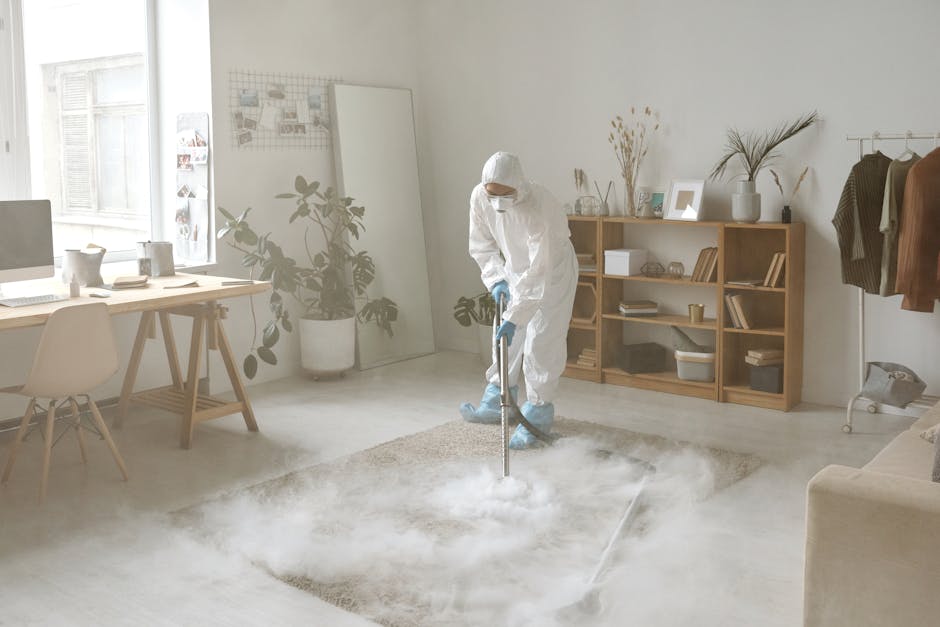
What to know about emergency carpet cleaning delays in Croydon
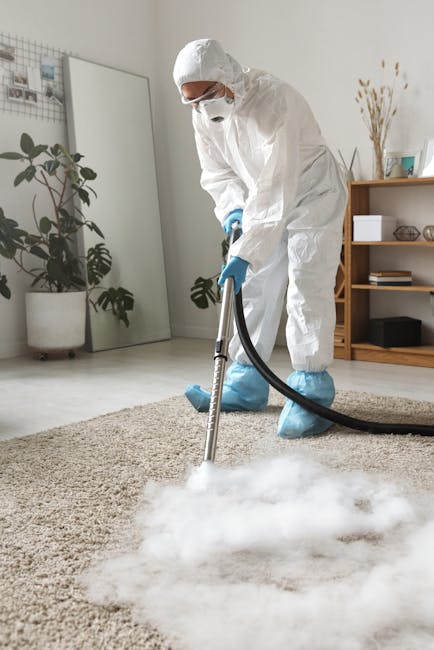
If you need fast help after a spill, flood, pet accident, or any other carpet disaster, delays can feel painfully long. That is exactly why what to know about emergency carpet cleaning delays in Croydon matters. A late arrival is not just an inconvenience; it can mean deeper staining, lingering smells, damage to underlay, and a bigger mess to sort out later. The good news? Most delays are explainable, and once you know what usually slows things down, you can make better decisions, ask the right questions, and reduce the risk of things getting worse while you wait.
This guide walks you through how emergency carpet cleaning delays happen, what they mean for your home or business, and what practical steps to take while you wait. We will also cover expectations, best practice, common mistakes, and a few local realities that people in Croydon often run into on busy days. Let's get into it.
Why emergency carpet cleaning delays in Croydon matter
When a carpet is soaked, stained, or contaminated, time matters. That sounds obvious, but in practice many people wait too long because they assume an emergency cleaner will arrive immediately, or they underestimate how quickly a small spill turns into a much bigger problem. In Croydon, delays can be caused by traffic, weather, peak demand, parking issues, or just the reality that emergency teams are often already dealing with another urgent job nearby.
Why does that matter so much? Because carpets are not just fabric on the floor. They hold moisture, dirt, odour, and in some cases bacteria or allergens. If water sits too long, the backing and underlay can trap it. If a drink spill or pet accident is left to dry, the stain can bond more tightly to the fibres. And if the weather is damp, as it often is in South London, drying naturally can take much longer than people expect. A delay of a couple of hours may feel minor, but it can change the cleaning method needed later.
In homes, the biggest issue is often the knock-on effect: smell, visible marks, slippery floors, and that uneasy feeling that the room is not really clean anymore. In shops, offices, letting properties, or shared buildings, delays can also affect presentation, customer confidence, and safety. Truth be told, nobody wants guests stepping around a patch of wet carpet that smells faintly of spilled coffee and panic. Not ideal.
The main point is simple: once an emergency carpet cleaning job is delayed, the problem often becomes more expensive, more technical, and more disruptive. That is why understanding the likely causes and your options is so useful.
How emergency carpet cleaning delays in Croydon works
Emergency carpet cleaning is usually arranged as a rapid-response service. You explain the issue, the cleaner assesses urgency, and a visit is scheduled as quickly as possible. If the job is straightforward and nearby, the team may fit it in the same day. If the situation is more complex, or the schedule is already full, you may be asked to wait a little longer than you expected.
Delays usually happen for a few predictable reasons:
- Travel time: A cleaner might be coming from another part of London and needs to deal with congestion or limited parking.
- High demand: Bad weather, flooding, party season, and pet-related accidents can all create sudden spikes in urgent calls.
- Job complexity: A large area, multiple rooms, or heavy contamination may require more equipment and more time than a standard emergency slot allows.
- Access issues: Flats, controlled entry, restricted loading bays, and hard-to-find properties can all slow the start of the job.
- Equipment availability: Sometimes the right machine, drying fan, or extraction tool is already out on another job.
Good companies usually explain this honestly. They should give you a realistic arrival window rather than a shiny promise that sounds great and then slips by two hours. If they say they are delayed, ask what has changed, how long the wait might be, and whether there is anything you should do in the meantime. A clear update is much better than radio silence.
There is also a difference between arrival delay and service delay. Arrival delay means the cleaner reaches you later than planned. Service delay means the cleaner arrives, but the full cleaning cannot begin right away because the carpet must be inspected, safety steps are needed, furniture has to be moved, or the area needs pre-treatment. Not quite the same thing, and it helps to know which one you are dealing with.
Key benefits and practical advantages
At first glance, talking about delays may sound negative. But once you understand them, you can actually make the service work better for you. That is the practical upside here.
- Better expectations: You will know whether a delay is normal or a red flag.
- Less damage: Acting quickly while waiting can protect fibres, backing, and underlay.
- Better communication: You can give the cleaner accurate information, which usually improves the outcome.
- Smarter decisions: You can judge whether to wait, reschedule, or take temporary steps yourself.
- Cleaner results: A more prepared job often leads to better stain removal and faster drying.
There is another benefit that people sometimes overlook: a delay can give you a brief window to prepare the space properly. For example, you might move fragile items, block off the area, open a window if it is safe to do so, or photograph the damage for insurance or landlord records. Small things, yes, but they matter.
And if you are comparing providers, the way they handle delays tells you quite a lot about their overall service. A company that communicates clearly, arrives with the right kit, and explains what can and cannot be fixed is usually the sort of company you want in an emergency. Simple as that.
Who this is for and when it makes sense
Emergency carpet cleaning delays can affect a lot of different people, not just homeowners. In Croydon, this kind of service often makes sense for:
- Homeowners dealing with spills, flood water, pet accidents, or accidental staining.
- Tenants who need to limit damage before a check-out inspection or to avoid escalating a problem.
- Landlords and letting agents trying to keep a property presentable between occupancies.
- Offices and retail spaces where foot traffic makes quick cleaning important.
- Property buyers and sellers who need a room to look clean before viewings or handover. If you are in that position, this can sit alongside other local property planning concerns, such as the advice shared in purchase and sale of properties in Croydon.
- Households with children or pets where safety and hygiene are the main concern.
It makes the most sense when the carpet problem is time-sensitive. A tea spill from yesterday is annoying. A tea spill that has spread, soaked into the pile, and started to smell by evening? Different story. Likewise, a small patch of mud may be manageable later, but a leaking appliance or a soaked hallway after heavy rain needs quicker attention.
Not every issue is a true emergency, though, and that distinction matters. Some stains can wait for a booked appointment. Others cannot. If the carpet is still wet, if the smell is getting stronger, if the room is being used heavily, or if the stain is likely to set, then yes, you are in emergency territory. Probably not the kind of excitement anyone wants, but there it is.
Step-by-step guidance
If your emergency carpet cleaner is delayed, here is the most sensible way to handle it.
- Confirm the delay and new arrival window. Ask for a realistic update, not a vague promise. "Soon" is not a time.
- Identify the type of damage. Is it a liquid spill, flood water, pet stain, smoke residue, or heavy soiling? The response depends on the cause.
- Stop the problem spreading. Use towels, absorbent cloths, or a clean mop to blot excess liquid. Do not rub aggressively.
- Protect nearby surfaces. Move valuables, electrics, and soft furnishings away from the area if it is safe to do so.
- Ventilate carefully. Open windows if weather and security allow, and avoid trapping moisture in a closed room.
- Record the damage. Photos can be useful for landlords, insurers, or property managers.
- Ask about pre-treatment. Some cleaners will advise you on what not to touch before they arrive.
- Prepare access. Clear hallways, unlock gates, and make parking as simple as possible.
- Check whether the carpet is drying. If it is getting wetter, the situation may need escalation rather than waiting.
- Review the final advice. Once cleaned, ask about drying time, aftercare, and any follow-up treatment.
A useful rule of thumb: blot, don't scrub. Scrubbing can spread dye, damage the pile, or push residue deeper. Most people know this in theory, then the panic kicks in and, well, there goes the towel dance. Happens all the time.
If you are dealing with water rather than a stain, keep an eye out for hidden dampness around the edges. Carpets can look fine on top while moisture sits underneath. That is where odour and mould risk begin to creep in. Not instantly, but quickly enough to be worth taking seriously.
Expert tips for better results
From a practical point of view, the best outcomes usually come from a mix of fast reporting, clear information, and sensible waiting-room behaviour. Here are a few tips that make a genuine difference.
- Be precise when you call. Say what happened, where it happened, and how long ago. "A drink spill in the lounge twenty minutes ago" is far more useful than "We've got a mess."
- Describe the fibre if you can. Wool, synthetic, blend, or loop pile all behave differently. If you do not know, that is fine.
- Tell them about previous treatments. If you have already used stain removers, mention it. Some products can affect how the cleaner approaches the job.
- Keep traffic off the carpet. Every footstep can push grime deeper or spread moisture.
- Use dry towels, not coloured ones. Bright dyes can transfer if the carpet is damp.
- Do not use heat too early. Hairdryers and heaters can set some stains or warp fibres if used badly.
- Ask about drying time before the team leaves. This avoids awkward guesswork later.
A decent emergency cleaner will usually appreciate clear information. It saves everyone time and reduces avoidable back-and-forth. And to be fair, the better the brief, the better the result. No one loves arriving to a mystery stain with half the story missing.
If the issue is a recurring one, such as pet accidents or repeated hallway dirt, ask for prevention advice as well. A good provider should be able to suggest practical maintenance steps, whether that is spot treatment, faster drying, or choosing a more suitable cleaning method such as steam carpet cleaning for deeper refreshes when the emergency has passed.
Common mistakes to avoid
When people are stressed, they often make the same handful of mistakes. Avoiding them can save a surprising amount of time and money.
- Waiting too long to report the problem. The earlier the cleaner knows, the better they can plan.
- Using too much water. More water is not better. It can spread the stain or soak the underlay.
- Rubbing the mark hard. This is a classic mistake and a frustrating one.
- Applying random household chemicals. Bleach, vinegar, or fragranced sprays can make things worse.
- Assuming all delays are the cleaner's fault. Sometimes the issue is traffic, access, or another urgent call that could not be avoided.
- Failing to mention pets, flooding, or previous treatments. That information changes the cleaning approach.
- Ignoring odour after cleaning. If the smell remains, the problem may be deeper than the visible surface.
One common misconception is that if a carpet looks dry, it must be fine. Not always. Underlay can hold moisture long after the top surface feels okay. If something has soaked through, tell the cleaner straight away and ask whether inspection beneath the surface is needed.
Another mistake is assuming delay means poor service by default. Sometimes it does. But sometimes it is simply the reality of urgent work in a busy area. The difference is communication. Good teams explain what is happening and give you a path forward; poor ones leave you guessing.
Tools, resources and recommendations
You do not need a van full of equipment to manage a short delay well, but a few simple tools help a lot. Most households already have some of them.
- Clean white towels or microfibre cloths for blotting liquid.
- Protective gloves if the spill is unpleasant or potentially contaminated.
- A bucket for carrying damp cloths away from the area.
- Plastic sheeting or old towels to protect adjacent flooring.
- A fan for air movement, used sensibly and not blasting heat directly at the carpet.
- Phone camera to document the condition before treatment.
On the service side, it helps to choose a cleaner who is transparent about pricing, arrival windows, and what happens if the schedule changes. That kind of openness is one reason people often check a provider's pricing and quotes information before booking. It is not just about cost. It is about knowing what is included and what to expect if the day gets messy.
It can also help to understand the wider service picture. If your carpet issue is part of a larger cleaning job, you may need related services such as pet stain and odour removal, targeted stain removal, or even commercial carpet cleaning for workplaces with higher footfall. Matching the service to the problem matters more than just booking the fastest slot.
Law, compliance, standards, or best practice
Emergency carpet cleaning is not usually the kind of work that involves complicated legal steps for the customer, but there are still sensible standards to keep in mind. In the UK, a reputable provider should work safely, communicate clearly, and handle your property with care. If chemicals or equipment are being used, proper precautions matter. So does clear pricing, especially where there is a call-out element or an urgent response fee.
From a best-practice perspective, you want a company that takes health and safety seriously, protects flooring and fixtures, and explains any risks before work begins. If access is awkward, or if the carpet is heavily contaminated, they should say so plainly. That is not pessimism; that is professionalism.
For business premises, there may also be internal duties around workplace cleanliness and managing slip risks. If an area is wet, it should be isolated properly. If a cleaning product is used, the area should be left in a safe condition and with sensible drying guidance. A cleaner who knows their stuff will not shrug and walk away while the carpet is still damp and slick. That sort of thing is just asking for trouble.
You may also want reassurance about insurance and security, especially if the job involves access while you are not present. Some providers explain this in their published information, such as insurance and safety. That does not remove every risk, of course, but it does show the business has thought about responsibility rather than improvising on the day.
In general, best practice is simple: make sure the work is safe, the quote is clear, the method suits the carpet, and the cleaner is honest about delays. That combination tends to produce the least drama and the best outcome. Which, in an emergency, is exactly what you want.
Options, methods, or comparison table
If you are waiting on an emergency cleaner, you may be wondering whether to do nothing, handle a small part yourself, or request a different method entirely. The right choice depends on the type of damage and how fast it is changing.
| Option | Best for | Pros | Limits |
|---|---|---|---|
| Wait for the emergency cleaner | Most spills, stains, and urgent local jobs | Professional treatment, less chance of damage | May involve a delay, especially at busy times |
| Blot and ventilate only | Fresh spills and minor accidents | Reduces spread while keeping things simple | Won't remove the stain on its own |
| Use a spot treatment | Small, known stains on suitable fibres | Can help control the issue temporarily | Risk of spreading or setting the stain if used badly |
| Request a deeper method later | Heavy soiling, odour, or repeat problems | Better long-term result on stubborn issues | Not always same-day |
For many Croydon households, the best option is a hybrid one: take sensible immediate steps, then let the professional handle the proper clean. That is especially true for delicate carpets or if you are unsure what caused the stain. If in doubt, less interference is often better than more.
Some jobs also benefit from related soft-furnishing cleaning. For example, if the spill reached the sofa or curtains, a more joined-up approach can help. In those cases, services such as sofa cleaning or curtain cleaning may be relevant too. A room can look clean on the floor and still hold odour in the fabric above or beside it. Annoying, yes. Common, also yes.
Case study or real-world example
Picture a typical Friday evening in Croydon. A family drops a takeaway drink on the lounge carpet just after dinner. It spreads quickly, someone grabs paper towels, and then the mistake happens: they rub it in. The stain lightens a little, then returns darker as the fibres dry. They call for emergency carpet cleaning, but the first available slot is later than expected because several jobs came in after a burst of rain and traffic is slow near the centre.
Instead of panicking, they do the following: they stop walking over the area, blot gently with clean cloths, move the coffee table, open a window for airflow, and send a photo to the cleaner. They also mention that they used a supermarket spray, which turns out to matter because the cleaner chooses a safer pre-treatment to avoid fibre damage. When the cleaner arrives, the stain is still visible but no longer spreading, and the room is in a decent condition for proper treatment.
Now compare that to a different outcome. If they had kept scrubbing, used hot water, and left the carpet damp overnight, the stain would probably have set more deeply and the smell could have lingered. The delay would not have been the real problem. The response during the delay would have been. That is the bit people forget.
This is the practical lesson: emergency delays are manageable when you respond calmly and sensibly. You do not need perfect equipment or expert knowledge. You just need the right handful of steps, and a bit of patience. That may sound dull. It is. Also very useful.
Practical checklist
Use this checklist if your emergency carpet cleaner is running late:
- Confirm the updated arrival time.
- Ask what caused the delay and whether it changes the service.
- Blot, do not rub.
- Keep children and pets away from the affected area.
- Move furniture and valuables if safe to do so.
- Take photos for records or insurance.
- Ventilate the room carefully.
- Avoid random chemicals or heavy scrubbing.
- Make access easy for the cleaner when they arrive.
- Ask about drying time and aftercare before they leave.
If the carpet is still getting wetter, smells stronger, or appears to be affecting underlay or skirting, tell the cleaner. That may shift the job from "wait and treat" to "intervene sooner."
Practical summary: a delay does not automatically mean the job has gone wrong. In many cases, the best result comes from calm prep, clear communication, and choosing the right cleaning method once the team gets there. Small actions now can save a lot of hassle later.
If you want transparent service information before booking, it can help to review a company's approach to contact and scheduling and the finer points of terms and conditions. That way you know what to expect if timing shifts on the day.
Get a free quote today and see how much you can save.
Conclusion
Emergency carpet cleaning delays in Croydon are frustrating, but they are usually manageable when you understand what is happening and why. The real risk is not the delay itself; it is what happens while you wait. A little care at the start can stop a stain from spreading, keep moisture under control, and give the cleaner a much better chance of delivering a proper result.
So if you are facing a late arrival, keep calm, protect the area, ask for a clear update, and avoid the temptation to "fix" the problem with random products. The job may still be rescued beautifully, even if the timing is not perfect. And that, honestly, is often enough to turn a bad moment into a manageable one.
When the carpet is sorted and the room smells fresh again, you really do notice the difference. It feels like the day can breathe again.
Frequently Asked Questions
Why do emergency carpet cleaning delays happen in Croydon?
Delays often happen because of traffic, parking, weather, access issues, heavy demand, or another urgent job taking longer than planned. Croydon is busy, and emergency work rarely runs on a perfectly neat timetable.
How long should I wait before chasing an update?
If the cleaner has missed the agreed window and not contacted you, it is reasonable to ask for an update straight away. A clear revised arrival time is better than waiting in silence.
Can I do anything myself while waiting for the cleaner?
Yes. The safest steps are usually blotting excess liquid, keeping people off the carpet, moving nearby items if safe, and ventilating the room. Avoid scrubbing or using strong chemicals.
Will a delay make the stain permanent?
Not always, but the longer a stain sits, the harder it can be to remove. Some stains set faster than others, especially if heat, rubbing, or unsuitable products are used.
What if the carpet is soaking wet?
If water has soaked through, mention that clearly. Wet carpets may need faster intervention because moisture can reach the underlay and cause odour or longer drying times.
Is it normal for emergency cleaning to cost more?
Urgent jobs can sometimes cost more than planned appointments, especially if they require rapid response or out-of-hours attendance. The important thing is to get the pricing explained clearly upfront.
Should I cancel if the cleaner is late?
Not necessarily. If the job is still urgent and the cleaner is genuinely on the way, waiting may still be the best option. If the delay is excessive and your situation is worsening, you may need to reconsider.
How do I know if the provider is reliable?
Look for clear communication, realistic arrival windows, transparent pricing, and sensible advice about what to do before they arrive. A reliable provider usually sounds practical rather than overpromising.
Can delays affect insurance claims?
They can, depending on the situation. Taking photos, keeping records, and acting promptly are sensible steps if you may need to show what happened later.
What is the best way to prepare for the cleaner after a delay?
Clear access, move fragile items, keep the affected area protected, and have any information ready about the spill, previous products used, or where the damage started. That saves time when they arrive.
Do emergency cleaners handle pet stains and odours differently?
Usually, yes. Pet accidents often need targeted treatment because odour can sink deeper than a standard surface stain. If that is the issue, mention it early so the right approach can be used.
What should I ask before booking emergency carpet cleaning?
Ask about arrival windows, likely delays, what the call-out includes, drying time, and whether they can deal with your specific problem. A few direct questions now can save a lot of confusion later.